How to Open an Australian PVC Ashes Container: A Step-by-Step Guide
Welcome to our comprehensive resource center. Here you’ll find expert advice, practical guides, and compassionate answers to common questions about selecting cremation urns, preserving memories, and honoring your loved ones.
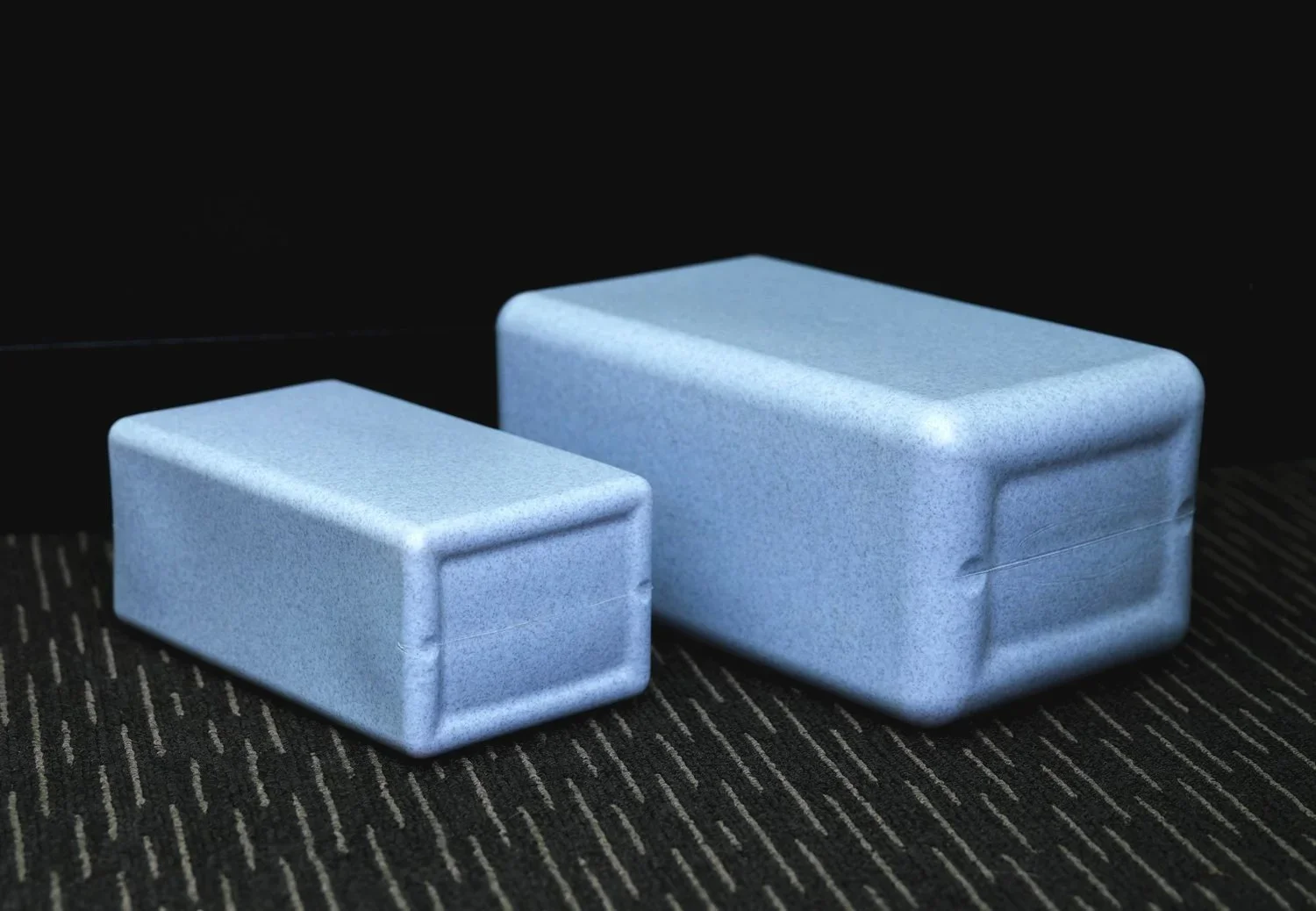
Receiving the remains of a loved one is a significant and emotional milestone in the grieving process. In Australia, most crematoriums provide ashes in a standard, rectangular PVC ashes container (often grey, black, or dark blue).
Because these containers are designed to be airtight and secure for transport, they can be notoriously difficult to open. Furthermore, unlike in some other countries, most Australian crematoriums place the ashes directly into the container without an internal plastic bag.
This guide will help you open these containers safely, respectfully, and without accidental spills.
⚠️ Important Note: No Internal Bag
It is a common misconception that ashes are always double-bagged inside the plastic box. In the Australian funeral industry, it is standard practice for the cremains to be poured directly into the PVC container.
When you open the lid, the ashes will be immediately visible and loose. Please ensure you are in a controlled environment before proceeding.
Preparation: Setting the Scene
Because the ashes are loose inside, your preparation is the most important step:
• Zero Drafts: Close all windows and turn off fans or air conditioning. The ashes (cremains) are very fine and can be easily disturbed by a light breeze.
• A Steady Surface: Work on a flat, stable table.
• The "Safety Net": We recommend placing the container on a large, clean sheet of white paper or a fresh tablecloth. If any small amount of ash escapes during the opening process, you can easily collect it.
Step-by-Step: How to Open the Container
1. Identify the Seal
The container consists of two parts: the main base and a deep, friction-fit lid. Look for the seam where the lid overlaps the base. There are no screws or hinges; it is held shut by a vacuum-like tension.
2. The "Squeeze and Release" Method
The most effective way to open an Australian ashes box is to break the air seal:
• Place the container firmly on the table.
• Grip the long sides of the lid with both hands.
• Apply a firm, steady squeeze to the sides of the lid. This slightly deforms the plastic, allowing air to enter the vacuum.
• Slowly wiggle the lid upward. Do not "yank" it, as the sudden release can cause the loose ashes inside to puff upwards.
3. Using a Lever (If the lid is stuck)
If the container has been sealed for a long time, the plastic may have "seized."
• Use a flat-headed screwdriver or a sturdy, blunt butter knife.
• Gently insert the tip into the seam at one corner.
• Give the tool a tiny twist—just enough to hear a "hiss" of air.
• Repeat this on the opposite corner. Once the vacuum is broken, the lid should slide off manually.
Handling the Remains
Once the lid is removed, you will see the remains directly inside.
• To Transfer: If you are moving the ashes to a permanent urn, use a small, clean scoop or pour very slowly and closely to the new vessel to avoid dust.
• To Scatter: If you are taking the container to a scattering site, ensure the lid is pressed back on firmly until you reach your destination.
Why are they designed this way?
Australian PVC ashes containers are the industry standard because they are incredibly durable. They are designed to protect the remains from moisture and impact during transport. While they can be a challenge to open, their design ensures that your loved one is kept safe and secure until you are ready for the final memorial.
Frequently Asked Questions
Can I recycle the empty container?
Most Australian PVC ashes containers are made from recyclable plastics. Once empty, return the container to your local funeral director or memorial park for proper disposal.
What if I am uncomfortable opening it myself?
If the process feels too overwhelming, most local funeral directors or memorial parks are happy to assist you in transferring the remains into your chosen urn.